

IACP Therapy Dog Mission Statement
The mission of the IACP Therapy Dog Program is to advance the well-being of individuals and communities through safe, ethical, and effective dog interactions. We are committed to developing and supporting well-trained, reliable therapy dog teams that demonstrate exceptional temperament, sound handling skills, and the highest standards of professionalism.
Through education, rigorous evaluation, and ongoing support, our program strives to:
Promote humane, science-informed training practices
Protect the welfare of therapy dogs and the people they serve
Foster empathy, connection, and emotional resilience in diverse settings such as schools, healthcare facilities, and community programs
Our goal is to ensure that every IACP-certified therapy dog team represents excellence in behavior, safety, and compassion, bringing comfort and connection wherever they serve.
What is a Therapy Dog?
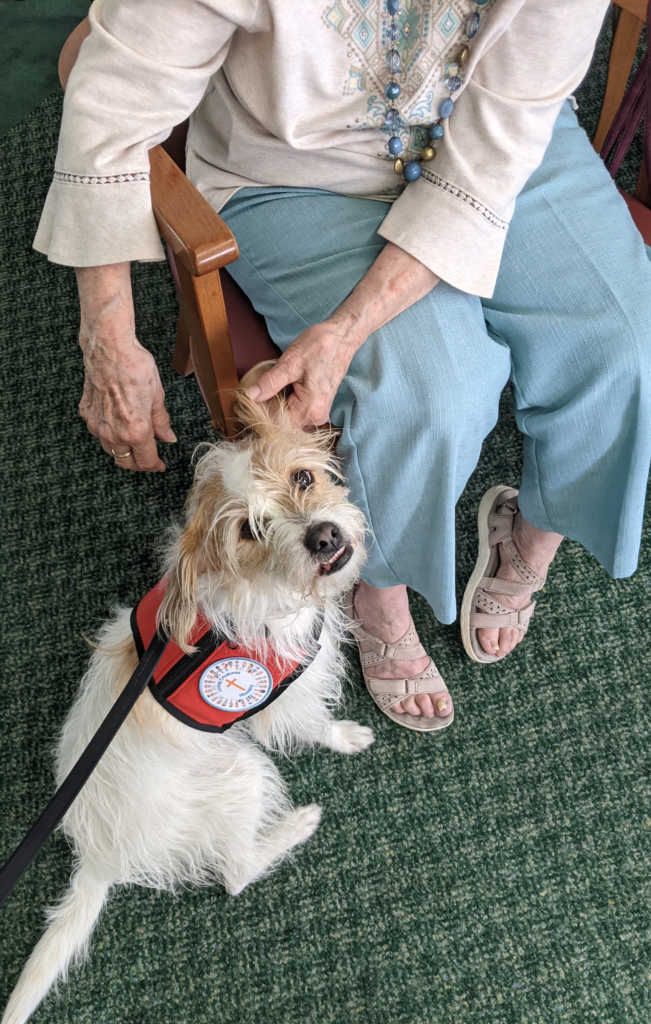
A therapy dog is a well-trained, well-mannered, and emotionally stable dog that works together with a qualified handler to provide comfort, support, and positive interactions to people in a variety of settings. Unlike service dogs, which are individually trained to perform specific tasks for one person with a disability, therapy dogs are focused on benefiting others through structured visits and activities. Their primary role is to enhance emotional well-being, reduce stress, and promote a sense of connection and comfort.
Therapy dogs must have a sound temperament, be reliably under control, and enjoy interacting with unfamiliar people in different environments. They are expected to remain calm around medical equipment, sudden noises, crowded spaces, and a wide range of human behaviors. A genuine desire to engage with people, combined with stable, predictable behavior, is essential.
What Therapy Dogs Do
Therapy dogs participate in organized visits and programs designed to support people emotionally, socially, and sometimes physically. Their presence alone can have measurable benefits, such as lowering stress, easing anxiety, and improving mood. During a visit, a therapy dog may:
Sit or lie calmly while being petted or spoken to
Offer gentle interaction to individuals who are ill, stressed, or lonely
Participate in structured activities such as reading programs, group sessions, or de-escalation strategies
Support therapeutic goals identified by professionals (for example, encouraging movement, communication, or emotional expression)
The handler plays a critical role in managing the dog, advocating for the dog’s welfare, and ensuring that all interactions remain safe, appropriate, and aligned with the facility’s guidelines and the organization’s standards.
Where Therapy Dogs Work
Therapy dogs can serve in many different environments, depending on their temperament, training, and the needs of the community. Common settings include:
Healthcare facilities: Hospitals, rehabilitation centers, nursing homes, hospices, and mental health clinics
Educational settings: Schools, colleges, and libraries, including reading-to-dogs programs and stress-relief events
Community organizations: Shelters, outreach centers, youth programs, and senior centers
Workplaces and public events: Corporate wellness initiatives, crisis response settings, and community resilience programs
What Is an IACP Certified Therapy Dog Team (CTDT)?
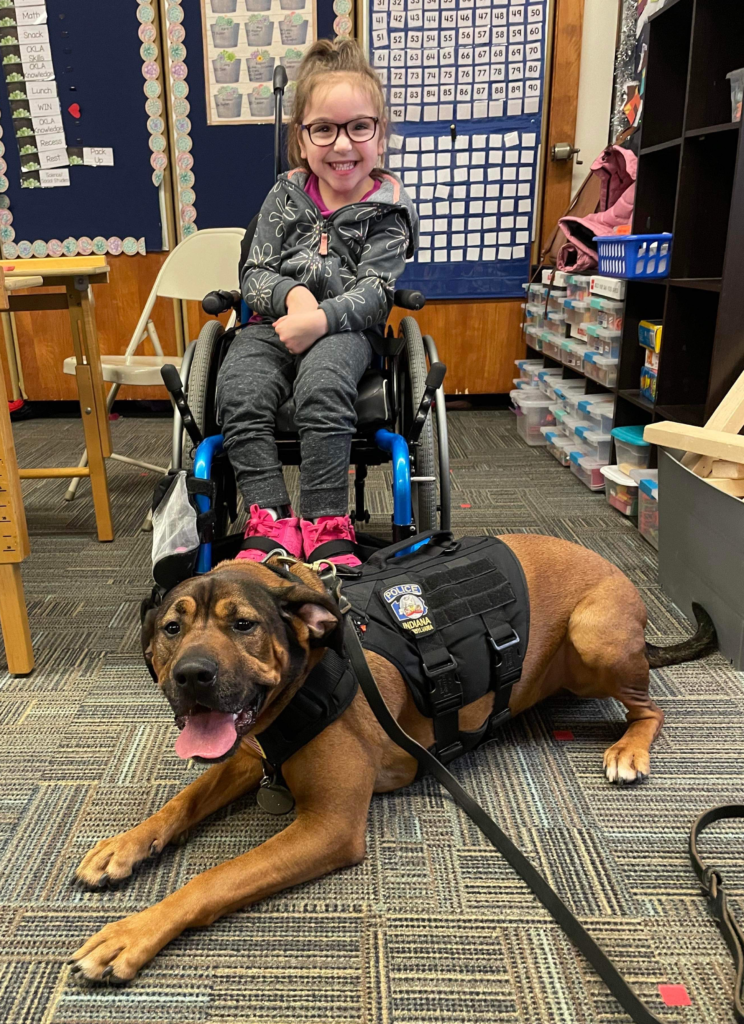
An IACP Certified Therapy Dog Team (CTDT) consists of one handler and one dog working together as a coordinated unit. A CTDT has successfully met all IACP Therapy Dog Program requirements, including evaluation and any required documentation, and has agreed to abide by all current IACP terms, conditions, and policies. Upon meeting these standards, the handler–dog pair is recognized and maintained as a registered therapy dog team with the IACP.
What Is an IACP Certified Therapy Dog Evaluator (CTDE)?
An IACP Certified Therapy Dog Evaluator (CTDE) is an individual authorized by the IACP to assess prospective IACP Certified Therapy Dog Teams (CTDTs). The CTDE has demonstrated a defined level of knowledge, skill, and experience in therapy dog work and in the safe, ethical handling of dogs in public settings. The CTDE is responsible for conducting fair, objective, and standardized evaluations in accordance with IACP Therapy Dog Program guidelines.
IACP Certified Therapy Dog Team Evaluation (CTDT) - The Test Tables
Part One: Obedience Based
PURPOSE: To evaluate the ability of the dog-handler team to demonstrate foundational obedience skills necessary to be a successful therapy dog team individually.
Part Two: Visit Specific Evaluation
PURPOSE: To evaluate the ability of the dog-handler team to demonstrate visit-specific tasks. This portion tests the ability of the team in responding to equipment, handling, and overall collaboration.
Part Three: Advanced Environmental Evaluation
Expectations During Evaluation
During the evaluation, the handler is assessed on their ability to manage their dog, interact appropriately with people, and follow directions.
Attention and Control
The handler should be able to give appropriate attention to the evaluator or volunteer while still maintaining effective control of their dog.
The handler should demonstrate awareness of their dog’s behavior and environment, anticipating and managing potential issues before they escalate.
Demeanor and Communication
The handler’s demeanor should be calm, friendly, and composed.
The handler should communicate clearly and kindly with their dog, using appropriate cues and reinforcement.
The handler should interact respectfully with evaluators, volunteers, facility staff, and any mock clients or participants involved in the test.
Following Instructions
The handler must demonstrate the ability to follow all evaluator instructions accurately and promptly.
If the handler does not understand a direction, they are expected to ask for clarification in a clear and respectful manner.
Compliance with Guidelines
The handler must be in compliance with all guidelines and policies outlined in this manual, including but not limited to:
Membership requirements
Health and hygiene standards
Safety and equipment rules
Conduct and professionalism standards
Failure to adhere to these guidelines may result in postponement of the evaluation, failure of the test, or removal from the program, at the discretion of the evaluator and the IACP.
Notification of Pass/Fail of Evaluation
This is a pass or fail evaluation that is done in person. Teams will be informed in person on the day of their evaluation. Evaluators will have three options for scoring teams.
PASS – Team demonstrates advanced readiness for therapy work. For a team to pass, they must receive a passing grade in every item on the assessment. An evaluation sheet and registration packet will be presented to the handler if they pass with a follow-up packet emailed to them from IACP after evaluations are submitted by the evaluator.
RETEST REQUIRED – Improvement needed before retest. Teams may retest after 60 days of their assessment. The handler must pay all fees associated with another round of testing.
FAIL – Team not suited for therapy placement. If an evaluator deems a team unsuitable for therapy work, the handler and dog pair will not be permitted to test again through the IACP to become a Therapy Dog Team.