




A Brief History of the IACP
The IACP was founded in 1999 by a strong group of dog trainers who were looking to create something different for the canine industry.




How It All Started
The founding of the International Association of Canine Professionals (IACP) stemmed from significant dissatisfaction with the direction and leadership of the Association of Professional Dog Trainers (APDT). Three core issues led to the formation of IACP: ideological conflicts within APDT, disenfranchisement of certain training methods, and lack of transparency and inclusion in organizational decisions. Here’s a breakdown of these pivotal factors and the key figures involved:
Conflict Over Training Philosophies
Many felt the organization was increasingly dominated by a totally positive training approach, led by prominent figures like Pat Miller. This approach vilified those who used balanced methods, including mild aversive techniques. Many trainers reported feeling labeled as abusers or unethical simply for using training tools.
The organization’s internal discussion lists became a battleground, with moderators actively censoring balanced trainers and banning individuals who disagreed with the “totally positive” stance. This polarizing environment pushed balanced trainers to form a separate email list, where they could discuss training without censorship.
Exclusion of Certain Trainers and Erosion of Influence
APDT began to shift towards favoring less experienced, hobbyist trainers over seasoned professionals. This democratization of membership diluted the voices of professional trainers, who felt that individuals without practical training backgrounds held equal influence in
organizational decisions.
A major rift occurred when Martin Deeley, who had been elected to APDT’s board as treasurer, sought access to the financial records. The APDT board resisted, and without
membership input, removed him from his position. This dismissal, seen as both unjustified and retaliatory, galvanized trainers who felt APDT was losing ethical accountability.
The Birth of the International Association of Canine Professionals
In response to the frustrations within APDT, founding members initiated discussions about creating a new organization that would embrace balanced training methods and uphold higher standards for trainer qualifications. Early conversations and planning were held informally among key trainers on the pro trainers email list, and an initial steering committee was formed, including Martin Deeley, Mary Mazzeri, Sharon Benter, Janine Kukos, Leah Spitzer, and others.
The first official gathering of these trainers to discuss IACP’s formation occurred at Martin Deeley’s residence in Florida in 1999. They envisioned an organization that would support the needs of professional, balanced trainers and counter the purely positive, exclusionary culture at APDT.
Key Founders and Supporters
Martin Deeley (1946-2019)
Martin was instrumental as a unifying figure, Deeley was regarded as level-headed, articulate, and committed to balanced training. He became a natural leader in the early stages. The early BOD meeting were all held at Martin and Pat’s home.
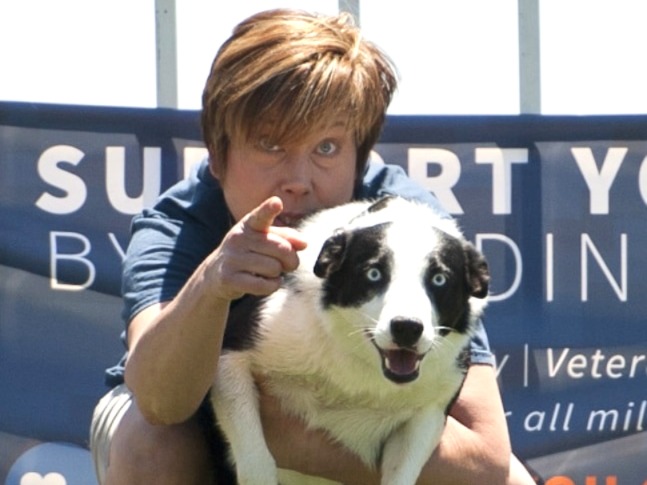
Cyndy Douan
A founding member, and who served as a director for many years. Cyndy was heavily responsible for the certification process along with Mary Mazzeri another founding member.

Jay Stull
Jay Stull was largely responsible for writing the initial bylaws and handling all of the legal issues to get the organizations non-profit status.
Principles and Vision of IACP
IACP’s mission was clear from the beginning: provide a space for professional trainers who use a balanced approach and promote high standards of education, inclusivity, and ethics in dog training. The founders prioritized creating a community where trainers could freely exchange knowledge and support, absent of the ideological rigidity seen in APDT.
Their governance model was also carefully structured to prevent organizational hijacking, as had occurred in APDT. The IACP board had limited member-elected seats to maintain stability and ensure the organization adhered to its foundational principles. The IACP’s establishment was ultimately a reaction to APDT’s ideological rigidity, lack of transparency, and leadership decisions that marginalized balanced trainers. IACP’s founders sought to create an inclusive, professional space for all trainers, emphasizing both humane practices and the flexibility to employ diverse training methodologies for the benefit of dogs and trainers alike.