
How Better Client Communication Can Prevent Burnout in Dog Trainers
By Lianne Shinton
Burnout doesn’t usually happen to trainers who don’t care.
It happens to the ones who do.
After more than 33 years in the dog training industry, I’ve watched highly skilled, deeply committed professionals quietly hit the wall. They love the dogs. They believe in the work. They’re good at what they do. And yet, many find themselves exhausted, overwhelmed, and wondering how a career they once loved became so draining.
For a long time, I believed burnout was simply part of the job. Long hours. Emotional cases. Physical demands. That’s what we signed up for—right?
What I eventually learned, sometimes the hard way, is that burnout rarely comes from training dogs. It comes from everything surrounding the training—things no one ever taught us how to manage.
The Burnout No One Warns You About
When people imagine trainer burnout, they picture difficult dogs or challenging clients. In reality, the heaviest drain often comes from invisible work.
The constant messages.
The missed calls.
The mental load of tracking who reached out, who needs a response, and who might be quietly slipping through the cracks.
This isn’t administrative work—it’s emotional labor. And it adds up fast.
I remember a week when I had a full class schedule, multiple “urgent” client questions, and a surge of new inquiries. By Tuesday, I felt behind and scattered. I couldn’t remember who I’d followed up with or who was still waiting to hear back. From the outside, my business looked successful. Inside, it felt chaotic.
Even with help answering phones, the responsibility still lived in my head. And that constant mental juggling is exhausting.
When Skill Isn’t the Problem
If you’re feeling overwhelmed, it’s not because you’re a bad trainer.

Most trainers today are doing the work of several people at once—training dogs, running the business, scheduling, handling customer support, and juggling everything in between—all while staying fully present with the dogs in front of them.
No amount of skill can fix inconsistent follow-up or a business that relies on memory. Most of us operate this way not because we’re careless—but because we were never shown a better option.
While helping build what became the largest dog training franchise in the U.S., I saw this firsthand. Even at scale, managing communication without clear systems created stress, lost opportunities, and constant pressure to “keep up.” That experience made one thing clear: without repeatable processes, burnout isn’t a risk—it’s inevitable.
The Client Experience Starts Before the First Session
Trainers tend to focus on what happens inside the session. That’s where confidence lives. But from a client’s perspective, the experience starts much earlier.
How quickly they hear back.
Whether they feel acknowledged.
If they feel guided—or forgotten.
One client later admitted they weren’t sure if I was ignoring them or simply busy—and nearly hired someone else. That moment stayed with me. The issue wasn’t care. It was clarity.
Every inquiry represents more than interest—it represents opportunity. One missed lead can mean thousands of dollars in lost revenue—money that could support fewer hours, better tools, or additional help. When leads fall through the cracks, we don’t just lose income—we inherit more stress.

Fast response matters, but being constantly available isn’t realistic. Most trainers can’t step out of a session to answer a new inquiry. The solution isn’t trying harder—it’s having a process that acknowledges, tracks, and nurtures communication until you can respond personally.
That’s when “better customer service” stops meaning more of you and starts meaning less chaos.
From Mental Load to Sustainable Systems
The first time I implemented a simple, repeatable follow-up process, something surprising happened. Leads stopped disappearing. Clients felt supported. And I could finally breathe.
A moment from a recent industry event drove this home for me.
I was attending a dog trainer conference as a speaker, sitting in the audience during the keynote dinner—two uninterrupted hours where I could focus fully on the room. One of my clients was there as well, enjoying what amounted to a rare mini vacation from his business.
At one point, he leaned over, showed me his phone, and quietly laughed.
“The system just booked three consultations for me,” he said. “All while I was sitting here listening to the keynote.”
There was no scrambling. No missed calls. No stress about follow-up. His business was working while he wasn’t—and his clients were being taken care of without delay.
That moment perfectly captured what sustainable growth can look like for trainers: not being on-call, not chasing messages, but knowing communication is handled, opportunities are protected, and time off doesn’t mean income stops.
What Sustainable Training Businesses Have in Common
Across hundreds of trainers I’ve worked with since, the ones who avoid burnout tend to share a few traits:
Clear intake expectations
Consistent, timely communication
Follow-up that feels personal without being overwhelming
Boundaries that protect evenings and weekends
Thoughtful systems don’t replace connection—they preserve it.
Burnout Is Not a Personal Failure
I’ve competed twice on the U.S. Mondioring team and won multiple championships—all while running my dog training business. I know discipline, pressure, and performance. And I still struggled—not because I wasn’t capable, but because I was carrying too much without support.
Burnout isn’t a sign you chose the wrong profession. It’s often a sign the profession hasn’t normalized better ways of working.

If we want dog training to be sustainable—for trainers and for the dogs they serve—we must stop treating burnout like a badge of honor and start treating systems like essential equipment.
The dogs deserve trainers who are present.
Trainers deserve businesses that don’t drain them.
Burnout doesn’t have to win. With the right systems, the right communication, and the right boundaries, you can reclaim your energy, your business, and the joy that made you fall in love with training in the first place.
Author Bio:
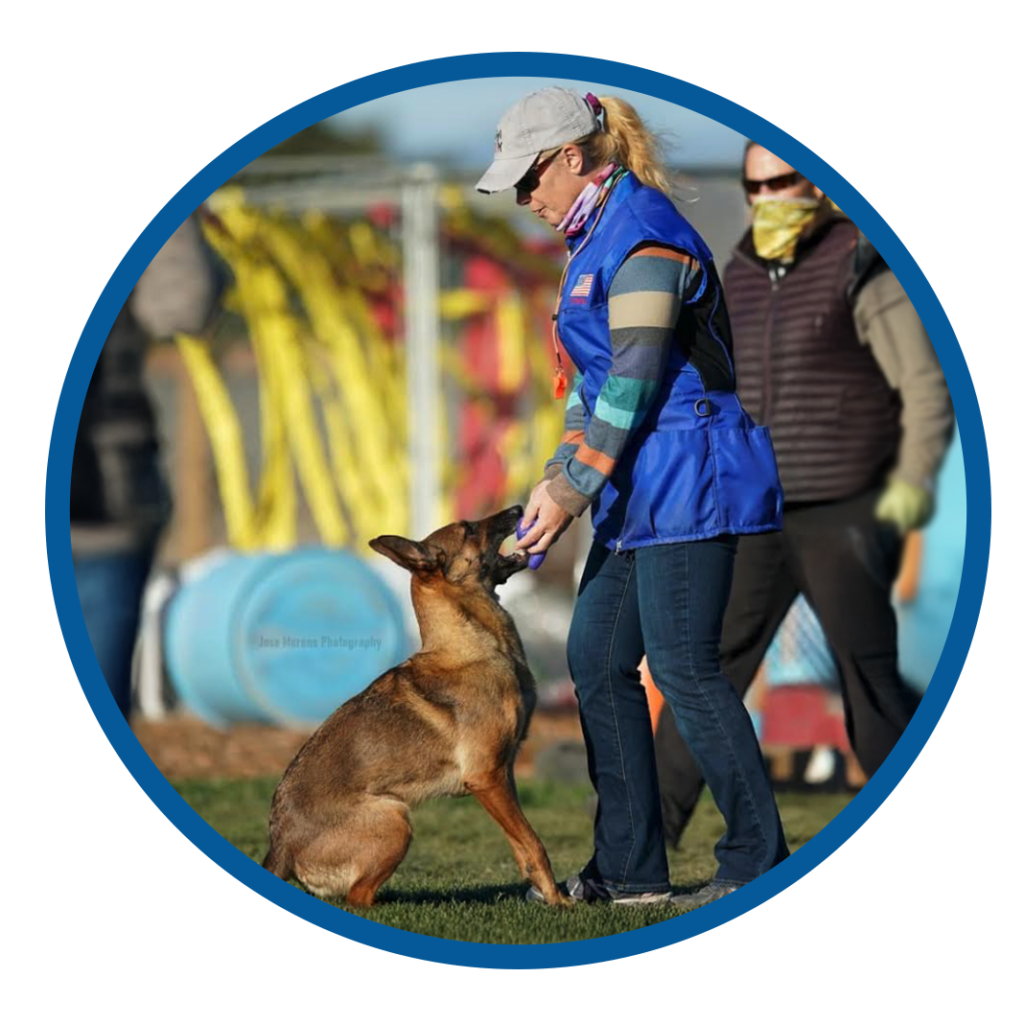
Lianne Shinton has spent over 33 years in dog training, owning multiple businesses and helping grow the largest U.S. dog training franchise, Sit Means Sit. A two-time U.S. Mondioring competitor and multiple championship winner, Lianne blends hands-on training expertise with a passion for business systems that actually work. She founded Automation Dogs, a lead management and client communication system built by a dog trainer for dog trainers, helping hundreds reclaim time, reduce chaos, and thrive—without sacrificing their soul.
Also in this issue: