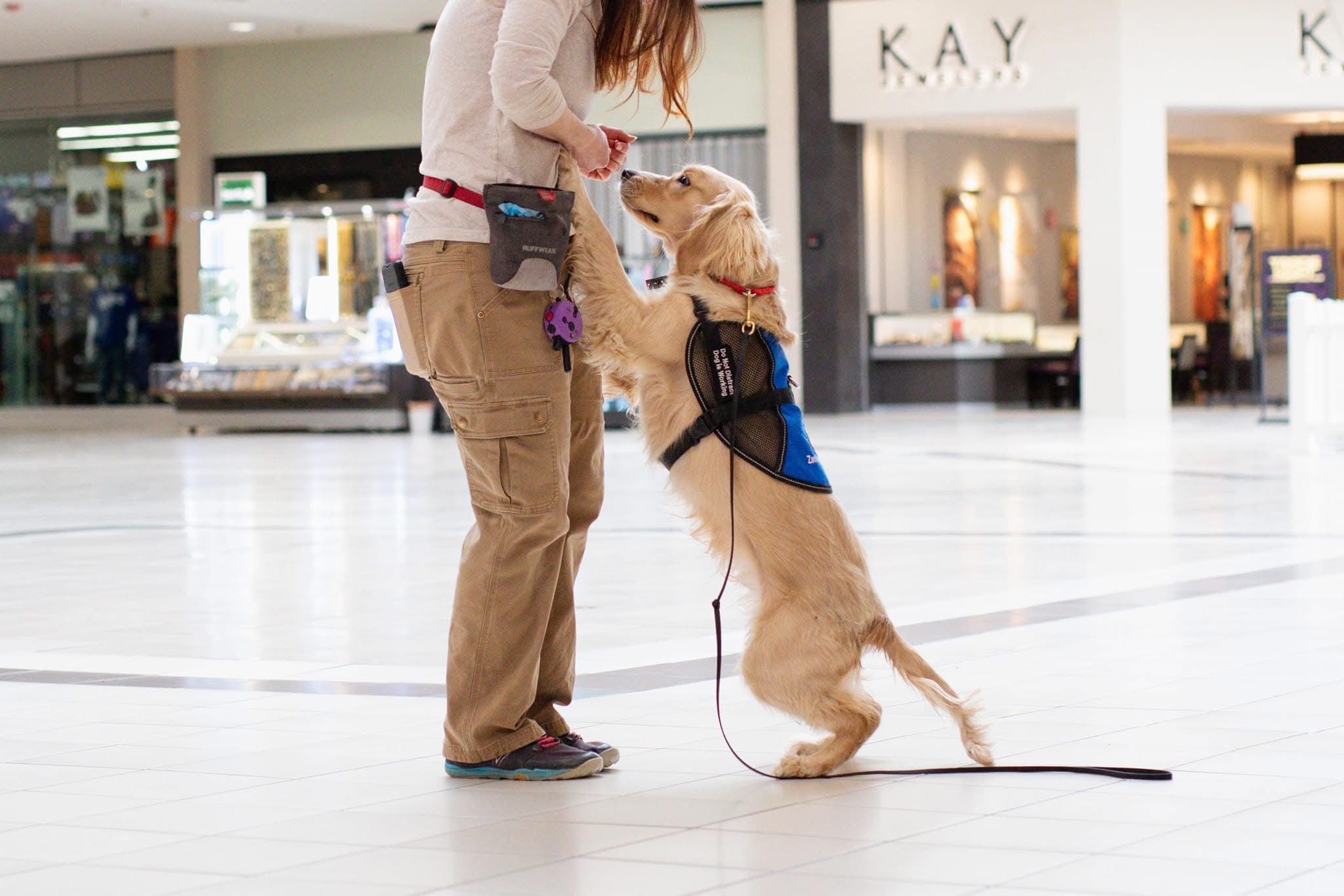
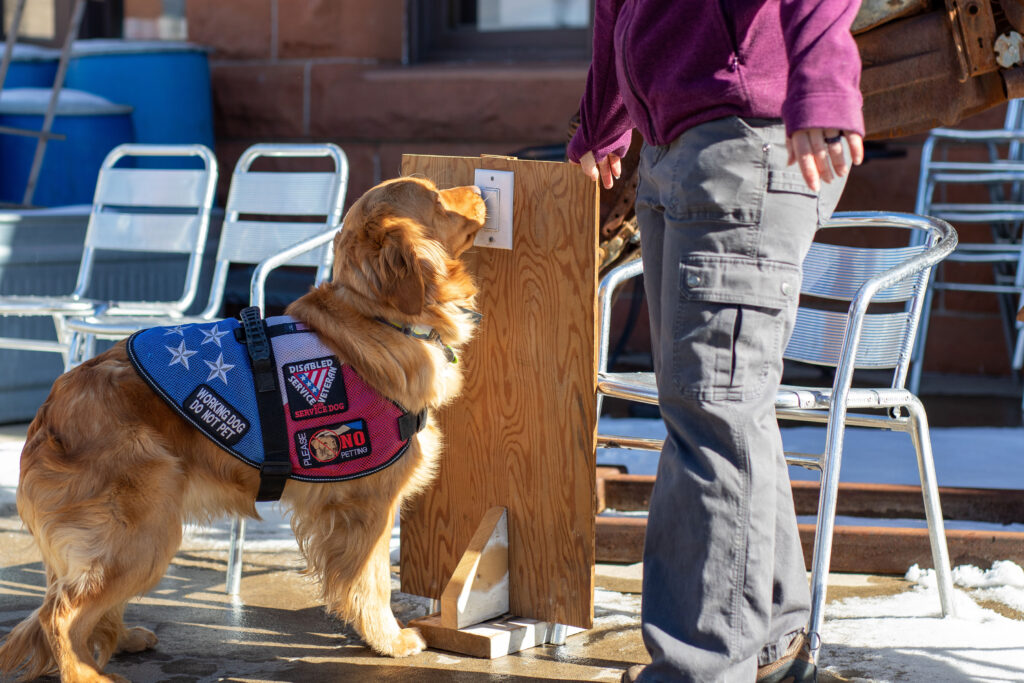

Lola Carter is a Bentonville, Arkansas–based dog trainer with 25 years of experience, including 18 years specializing in service dogs. She founded Zen Dog Training in 2008 and Mission: Service Dog in 2024. Her work is deeply personal, inspired by her life as a mother to a disabled teenager and wife to an injured combat veteran.
Getting a service dog is a major commitment that goes far beyond training. The right prospect sets the foundation for reliable public access, effective task performance, and a long, successful partnership. Picking the wrong one can lead to washouts, health setbacks, high costs, and emotional stress. This guide helps trainers, owner-trainers, and program staff make informed
choices—whether sourcing from an ethical breeder or evaluating rescues—so teams start strong.
Why Breed and Purpose-Bred Traits Matter
Service dogs must stay calm in busy public places, focus on complex tasks under stress, remain friendly and non-reactive around strangers, and bond closely with their handler. A dog’s breed influences these traits through original purpose and instincts.
Herding breeds like Border Collies or Australian Shepherds are intelligent and energetic, but their drive to chase movement or stare intently can interfere with “still” tasks like deep pressure or prolonged scent work in crowds. These breeds also tend to be more emotionally sensitive and can feed off of a handler with bad anxiety, so they can be problematic for psychological task
work.
Guardian breeds (Cane Corsos, Akitas, Anatolian Shepherds, and similar) are protective by nature. While this helps in guarding roles, it creates serious risks in service work. A dog that instinctively guards its handler could block or growl at medical staff during an emergency (such as a seizure, cardiac event, or collapse) delaying life-saving help and potentially endangering the handler. These breeds also tend to prefer a small pack of people and can become reactive when overstimulated with public interactions that they did not seek out and would rather not participate in.
Primitive or highly independent breeds (Basenjis, Siberian Huskies, Shiba Inus, most hound breeds) often prioritize their own decisions over handler cues, making consistent task work and public neutrality harder to achieve. Hounds have wonderful senses of smell and sound like a good option for medical alert on the surface, but meet a few of them and you’ll find that they tend to have their own agenda and may be extremely unreliable with task work.
These traits make many breeds unsuitable for service roles, even with excellent training. Keep in mind that our handlers are NOT professional trainers and that a dog with the type of temperament that requires a solid handler won’t thrive or may take advantage when their handler is most in need. Also, breeds or individual dogs that prefer a quiet home life won’t enjoy the constant public interaction that the majority of service dogs live with. I like to tell my handlers that this can be like assigning an introvert to work a job serving drinks at a frat party. They would be miserable with that life and it would be unfair to force the dog into that position.
Color also matters:
Think about the last time you saw a very unique or unusual looking dog walking with its owner, or if you own a unique or unusual breed, what happens when you take that dog in public? You get tons of questions. People want to meet your dog, pet your dog, or ask you questions about your dog. When selecting a service dog prospect, we want a dog that is not going to draw tons of attention. The dogs with flashy markings, blue eyes, and unique characteristics will draw unwanted attention and can become overwhelming for the handler. Think about black dog syndrome in the shelter system. Solid black or predominantly black dogs are often overlooked by potential adopters, and this is true when taking them in public. Black labs will draw far less
requests for interactions by the general public than a Husky will.
Recommended Breeds: The Top Choices
Certain breeds consistently succeed in service work due to their eagerness to please, sociability, physical soundness, and trainability. There is a reason you see these dogs over and over again in major programs.
The most common and reliable include:
Labrador Retriever: Outgoing, friendly, sturdy, and highly motivated to work with people. Labs excel in medical alert, mobility, psychiatric support, and more.
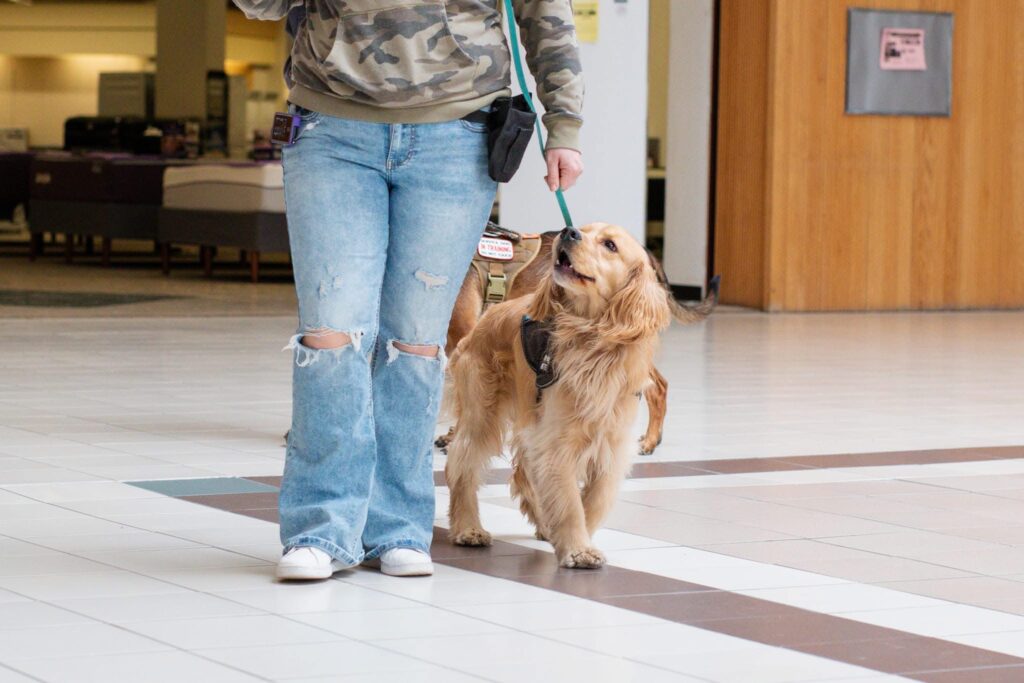
Golden Retriever: Gentle, affectionate, intelligent, and resilient to stress. They form strong bonds and handle public environments well.
Standard Poodle: Extremely smart, adaptable, and often great for people with allergies due to low-shedding coats. They’re quick learners and can be tall enough for mobility task work.
These breeds (or their careful crosses) give higher success rates when sourced from lines with proven health and temperament. While other breeds can work, sticking to these reduces risk, especially for less experienced teams.
Sourcing the Right Prospect: Ethical Breeders and Rescues
Start with ethical sources to avoid hidden issues like poor health, unstable temperaments, or inadequate early experiences.
Key signs of an ethical breeder:
– Thorough health testing with proof (more below).
– In-person visits allowed, including meeting parents (especially the dam).
– Detailed questions about your plans, experience, and home.
– Written contracts and health guarantees.
Red flags include frequent litters from the same dam, multiple breeds, no testing documentation, refusal of visits, pressure to buy quickly, no contract, or unclean/overcrowded conditions.
Rescues and Rehomes
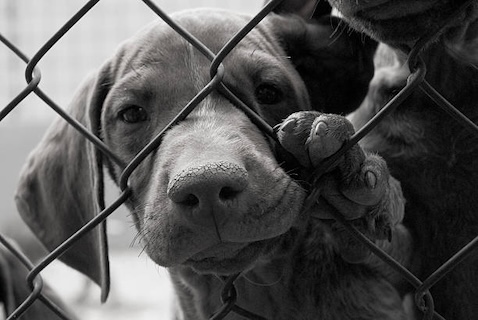
Rescues offer great potential, but they’re higher risk; especially puppies where health and temperament are unpredictable. Adult dogs (1+ years or older) are more reliable since their personality, stress tolerance, and reactions are visible.
Note that many rescues are spayed/neutered early. Research indicates early alteration (before puberty) can increase risks for joint problems (like hip dysplasia or ligament tears) and some behavior issues in larger breeds- important for service dogs needing long-term soundness.
To improve chances: Thoroughly evaluate the dog in varied settings, expose them to service-like scenarios, and collaborate with an experienced trainer.
Essential Health Testing
Skip consumer DNA kits: they provide limited info on ancestry and rare conditions but miss key factors for working dogs.
Require verified testing:
– OFA or PennHIP clearances for hips and elbows.
– OFA certifications for heart and eyes.
– Breed-specific genetic tests (e.g., EIC in Labs, PRA or Ichthyosis in relevant lines).
Seek multiple generations of clear results on both sides of the pedigree. Ethical breeders share certificates, verify them at ofa.org.
Add a veterinary orthopedic evaluation: Check gait, posture, joint flexibility, and muscle symmetry for early concerns.
Temperament: The Core Requirement
Service prospects need predictable, stable temperament: bombproof socially, resilient under pressure, and focused on the handler.
Look for:
– Structured testing (Volhard, Puppy Culture, or similar methods).
– Calm, approachable parents: meet both if possible.
– Thoughtful early socialization to people, sounds, surfaces, and environments.
Major red flags:
– Parents described as “protective” or kept away from strangers.
– Puppies that seem jumpy or anxious (not a good way to start off)
– Breeder secrecy or excuses about adult behavior.
Unstable parents often produce unstable offspring, if this seems to be the case, keep searching.
Questions to Ask Breeders: Puppies vs. Adults
Ask these targeted questions to assess suitability for service work.
For a Puppy Prospect
1. What is your reason for breeding this litter, and what specific goals are you pursuing to
improve temperament, health, and suitability for working roles like service work?
2. What health testing has been done on this puppy’s parents and grandparents? Can I see the
certificates (OFA/PennHIP hips/elbows, heart, eyes, genetic tests)?
3. Are there any known health issues in the lines we should be aware of?
4. What is the temperament of the parents and siblings? Have you done structured testing
(Volhard or similar)?
5. How have the puppies been socialized so far: exposures to people, noises, surfaces, other
animals?
6. How do you match puppies to homes or roles? What process do you use to identify service
prospects?
7. What vaccinations, deworming, and vet checks has the puppy had? Can I see records?
8. Do you provide a health guarantee/contract? What does it cover?
9. What are your expectations for buyers (spay/neuter, updates, return policy if unsuitable)?
10. Can you provide references from buyers whose dogs went into service or working roles?
For an Adult Dog Prospect (e.g., Retired or Rehomed)
1. What is your reason for retiring or rehoming this adult dog?
2. What health testing has been done on this dog and its parents? Can I see recent results and
certificates?
3. Are there any known health issues, including orthopedic or chronic concerns?
4. What behavioral concerns exist (reactivity, anxiety, interactions with strangers/kids/pets)?
5. What is the temperament of this dog’s parents and siblings?
6. What training and socialization has the dog had (public exposure, novel environments,
routines)?
7. What diet is the dog on, and are there allergies, sensitivities, or skin issues?
8. What recent vet records exist (vaccinations, preventatives, check-ups)?
9. Do you provide a health guarantee/contract for adults? What does it cover?
10. If the placement doesn’t work out, what is your preferred process for the dog’s sake?
The Long-Term Payoff
A service dog partnership lasts years. Careful selection upfront leads to easier training, fewer medical or behavior barriers, reliable public access, and a true teammate. The wrong choice risks early retirement, high costs, or safety issues.
Choose thoughtfully, verify everything, and prioritize health, temperament, and ethics. With the right prospect, the team can focus on building skills and independence, as opposed to fighting an uphill battle with an “off-breed” that a client found.